Roofing in Franklin, Ohio, our home base.

Inspections, crew staging, and jobs along the Great Miami all start here. Same local crews for the city and the Warren County towns around it.

Get a free quote
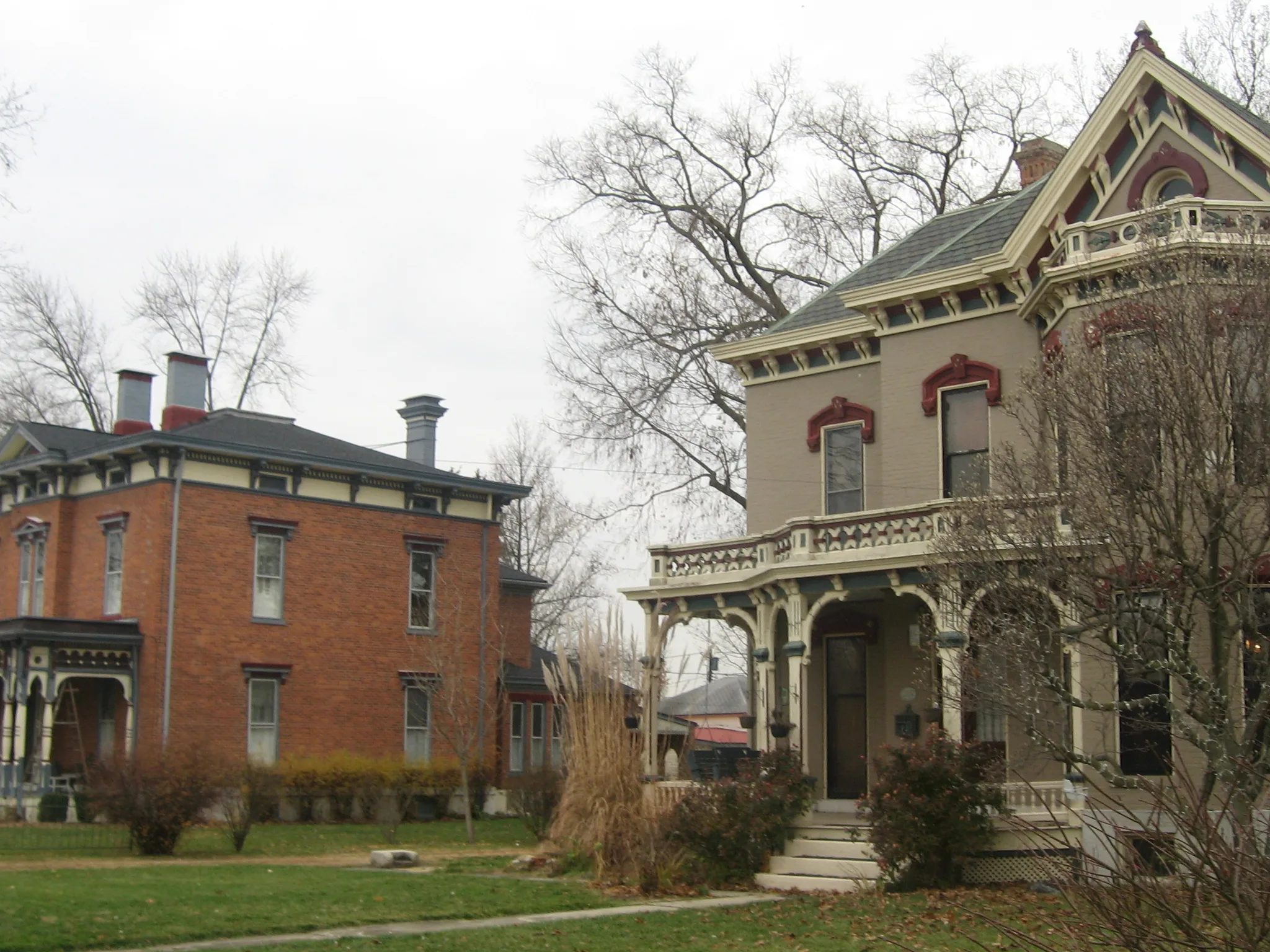
Historic homes in the Mackinaw Historic District in Franklin, Ohio

Working here

What roofing is like in Franklin

Weather, housing stock, and the failures we actually see on this route.

TL;DR

  1. 01

    Ice dams along the Great Miami valley when attic heat melts snow that refreezes at cold eaves

  2. 02

    Wind-driven rain off I-75 corridors lifting tabs on west and southwest slopes

  3. 03

    Older sectional gutters dumping water at the foundation on tight lots

Humid summers, hard freezes, and ice at the eaves

Franklin's climate records (1991-2020 normals) show January highs around 38°F and July highs in the mid-80s, with a record 104°F. Winters regularly drop below freezing; summers are humid. That swing drives ice dams on north eaves, storm-lifted tabs on west slopes, and UV aging on south fields. We spec ice barrier and ventilation as standard here, not as upgrades.
Colonials, capes, and modest two-stories

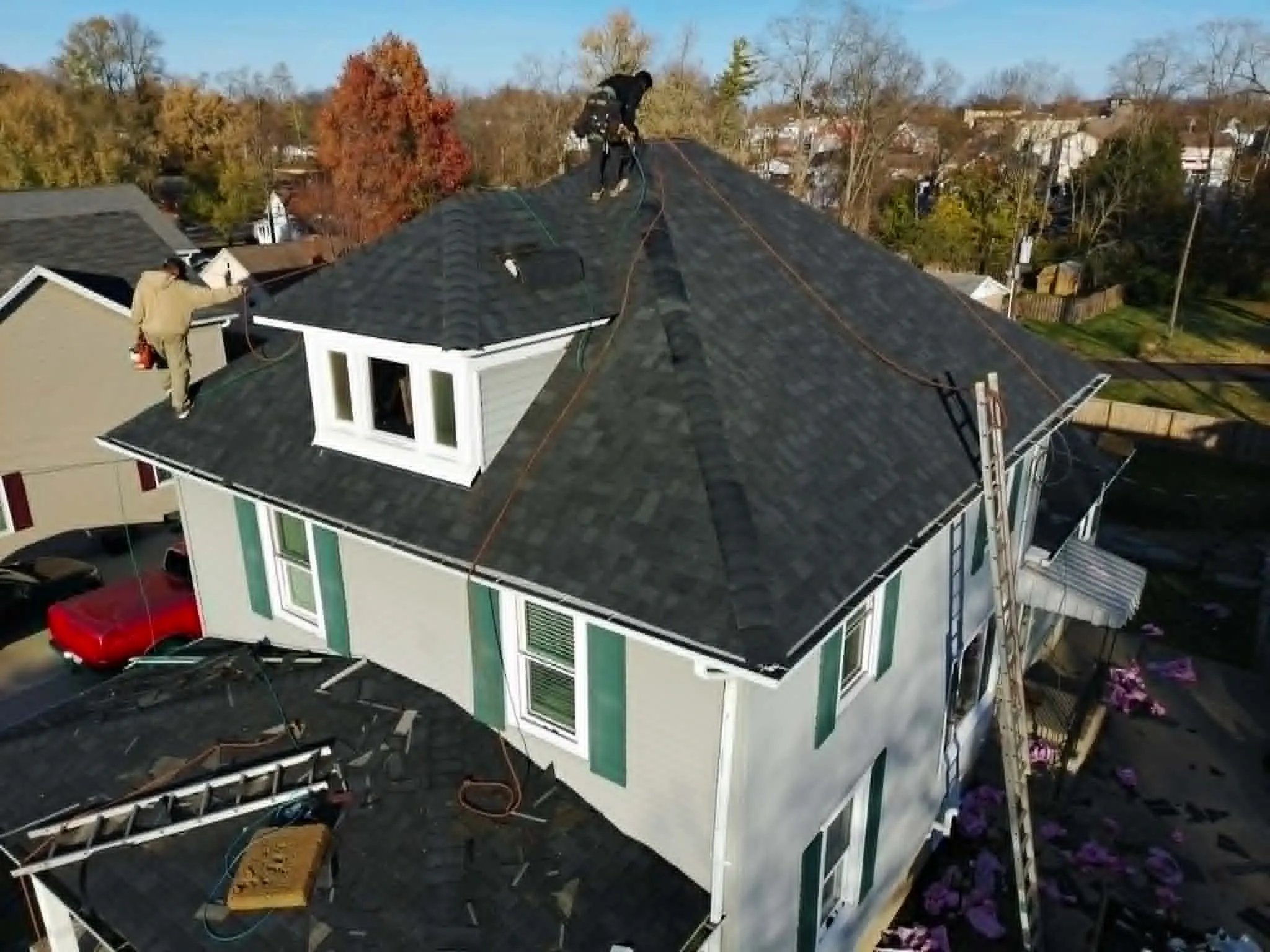
The 2020 census counted about 11,690 residents and roughly 5,110 housing units. Much of the stock is owner-occupied colonials, capes, and ranches with moderate pitches, plus older homes in the Mackinaw Historic District. Access is usually driveway-friendly. The detailing that fails first is eaves, valleys, and original flashing on mid-century reroofs.

Local roofing challenges

  • Ice dams along the Great Miami valley when attic heat melts snow that refreezes at cold eaves
  • Wind-driven rain off I-75 corridors lifting tabs on west and southwest slopes
  • Older sectional gutters dumping water at the foundation on tight lots
  • Historic-district homes that need flashing repairs without a clumsy full tear-off
  • Same-day dry-in in January so a leaky eave does not wait until April

The climate

A year on Franklin roofs

  1. River valley Humidity off the Great Miami / Little Miami corridor keeps decking wet longer after a storm.
  2. Hot summers South and west slopes bake. UV ages tabs; vinyl siding waves if it was nailed tight.
  3. Freeze-thaw January ice at north eaves. Ice barrier and ventilation are the spec here, not an upgrade.
  4. Storm cells I-75 wind and hail. We photograph in grids so claims and HOAs get the same record.

Our method

How we spec Franklin differently

Franklin's climate records (1991-2020 normals) show January highs around 38°F and July highs in the mid-80s, with a record 104°F. Winters regularly drop below freezing; summers are humid. That swing drives ice dams on north eaves, storm-lifted tabs on west slopes, and UV aging on south fields. We spec ice barrier and ventilation as standard here, not as upgrades. Crews stage from Franklin, so the ice-barrier, ridge-vent, and flashing details stay consistent on this route, not a one-off from a traveling crew. Franklin is also a good place to work: homeowners care about the house, the street, and a clean jobsite. That is why we stay.

The area

Roofs, seasons, and how Franklin is built

Architectural shingles, with metal and older layers in the mix

Most Franklin replacements we see are architectural asphalt over a tired three-tab or wood deck. Ice & water at eaves and valleys is non-negotiable. You will also find metal on outbuildings and the occasional historic metal roof. Layover over rotten eave plywood is the failure mode we refuse.

Winter leaks, spring storms, summer UV

January-March: ice dams and ice-barrier work. April-July: thunderstorms and wind claims. Late summer: UV-baked shingles and gutter overflow from tree cover. We phase winter tear-offs so no deck sits open overnight, and we keep Franklin jobs on a same-week inspection clock because this is home base.

Mackinaw Historic District & the old Post Office

Mackinaw Historic District & the old Post Office

Franklin has four National Register listings, including the Mackinaw Historic District and the relocated 1805-era Post Office, one of the first four in Warren County. Work on those streets is flashing, valleys, and matching profiles, not a catalog reroof that ignores the elevation.

Local landmarks

Facts that shape the work

Charles Butler House

The 1860 octagon house on East Jackson is a National Register landmark with a metal roof and a hilltop view of the river. Unusual roof geometry is a reminder that Franklin is not only three-tab ranches. Penetrations, hips, and metal details show up on the same route as subdivision work.

Great Miami River & I-75

The city is about 15 miles southwest of Dayton and 33 miles northeast of Cincinnati. River humidity plus interstate wind is the local weather sandwich. Crews staged in Franklin can hit Dayton, Lebanon, and West Chester without a two-hour commute.

Homeowner resources

Franklin homeowner resources

City, county, storm, and reference links we actually send homeowners to.

Population, founding, Register listings, and climate normals summarized from Wikipedia's Franklin, Ohio article and NOAA climate tables cited there. Read the Wikipedia article.

Need a Franklin inspection?

We are based here. Most inspections in town are scheduled the same week.